
Student Project
|
Motion
|
5 Weeks
|
2026
Student Project
|
|
Motion
5 Weeks
2026
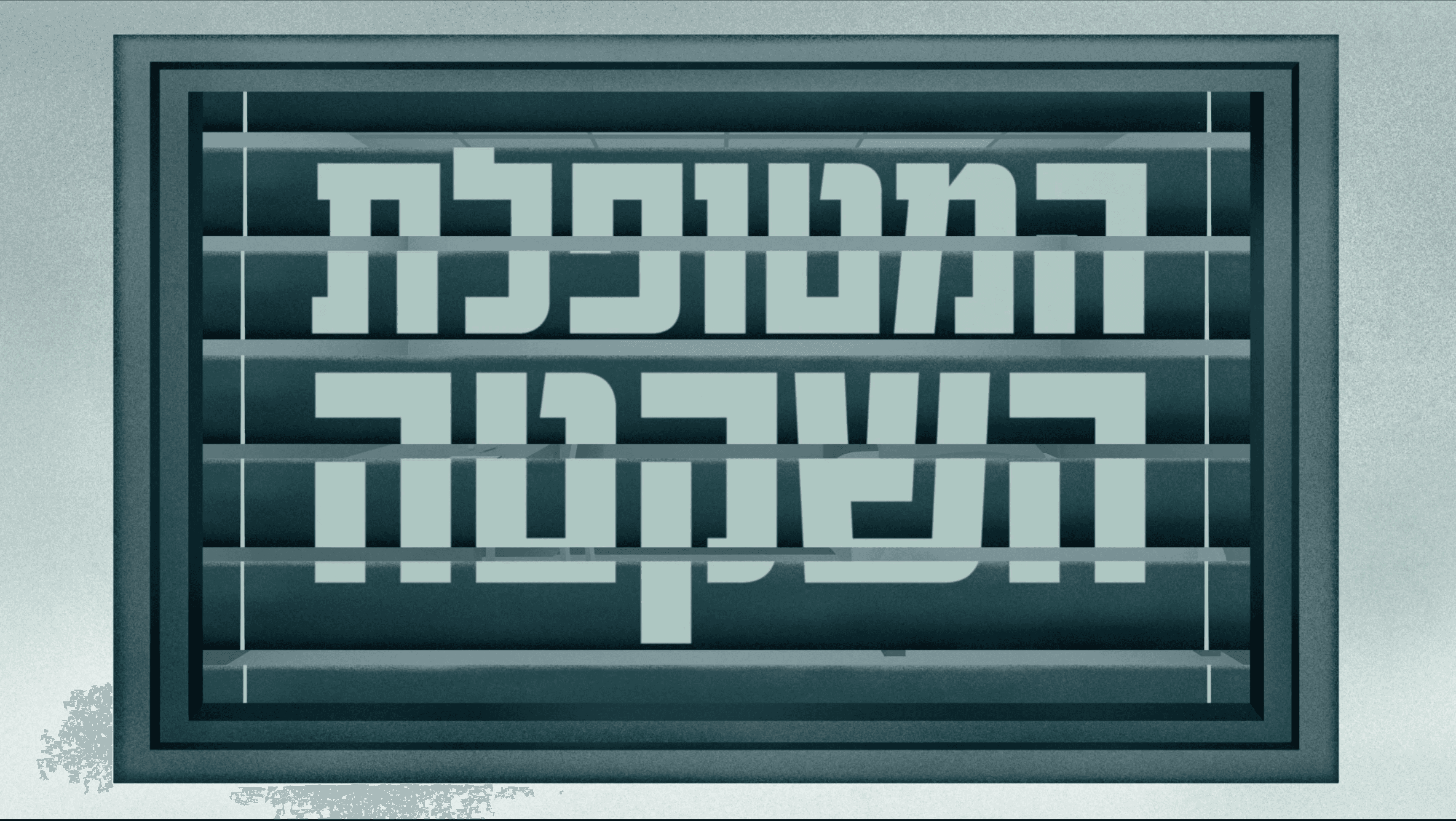
THE SILENT PATIENT OPENING TITLE SEQUENCE
The Silent Patient is a psychological thriller about Alicia Berenson, a woman who stops speaking after the death of her husband, and the psychotherapist determined to uncover what happened.
For the title sequence, I built the visual language around voyeuristic framing- placing the viewer just outside Alicia’s world, watching quietly from a distance. As the sequence progresses, that distance begins to disappear and the gaze becomes increasingly intrusive, turning the viewer from a silent observer into something that feels uncomfortably involved.
THE SILENT PATIENT OPENING TITLE SEQUENCE
The Silent Patient is a psychological thriller about Alicia Berenson, a woman who stops speaking after the death of her husband, and the psychotherapist determined to uncover what happened.
For the title sequence, I built the visual language around voyeuristic framing- placing the viewer just outside Alicia’s world, watching quietly from a distance. As the sequence progresses, that distance begins to disappear and the gaze becomes increasingly intrusive, turning the viewer from a silent observer into something that feels uncomfortably involved.
THE SILENT PATIENT OPENING TITLE SEQUENCE
The Silent Patient is a psychological thriller about Alicia Berenson, a woman who stops speaking after the death of her husband, and the psychotherapist determined to uncover what happened.
For the title sequence, I built the visual language around voyeuristic framing- placing the viewer just outside Alicia’s world, watching quietly from a distance. As the sequence progresses, that distance begins to disappear and the gaze becomes increasingly intrusive, turning the viewer from a silent observer into something that feels uncomfortably involved.

RESEARCH & STORYBOARDING
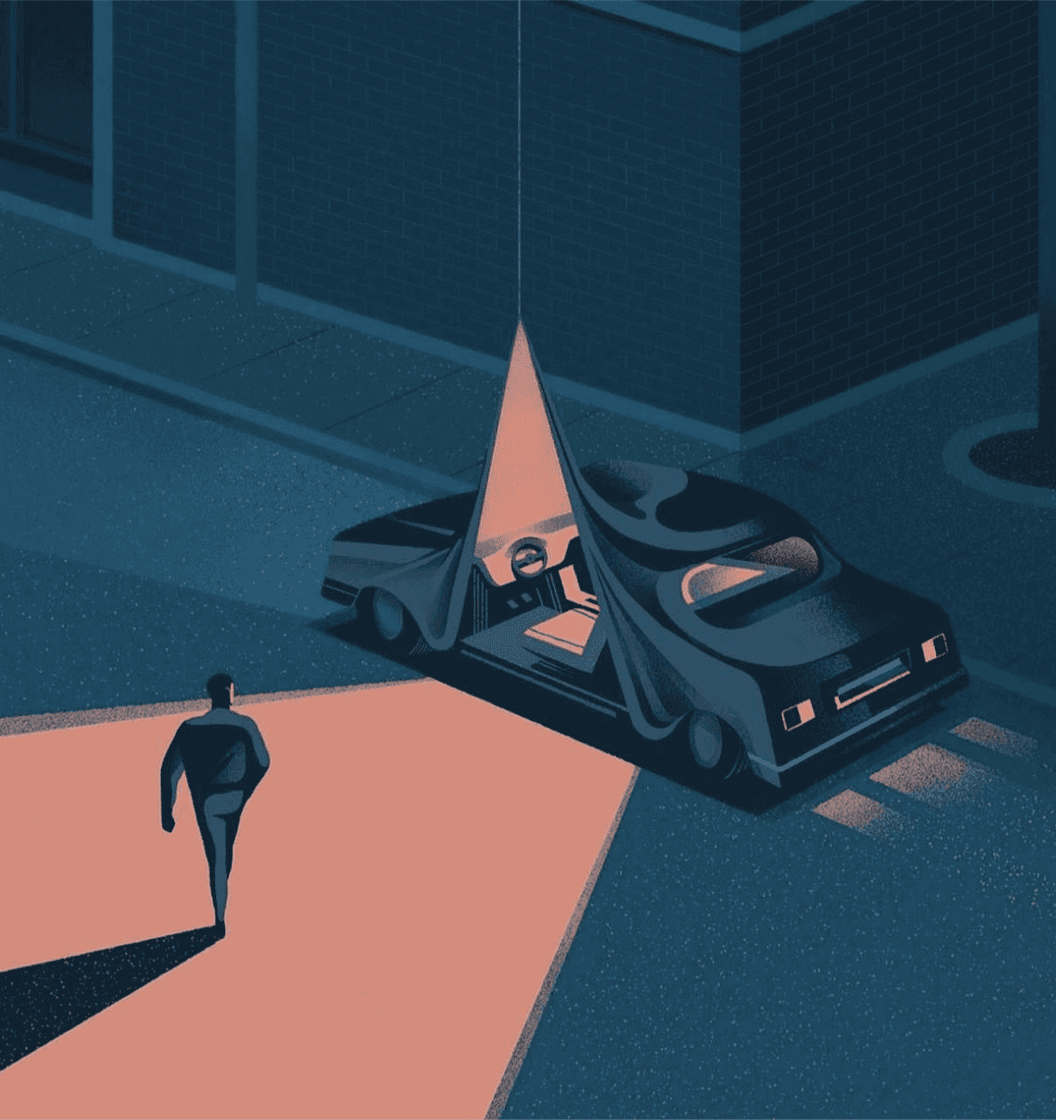
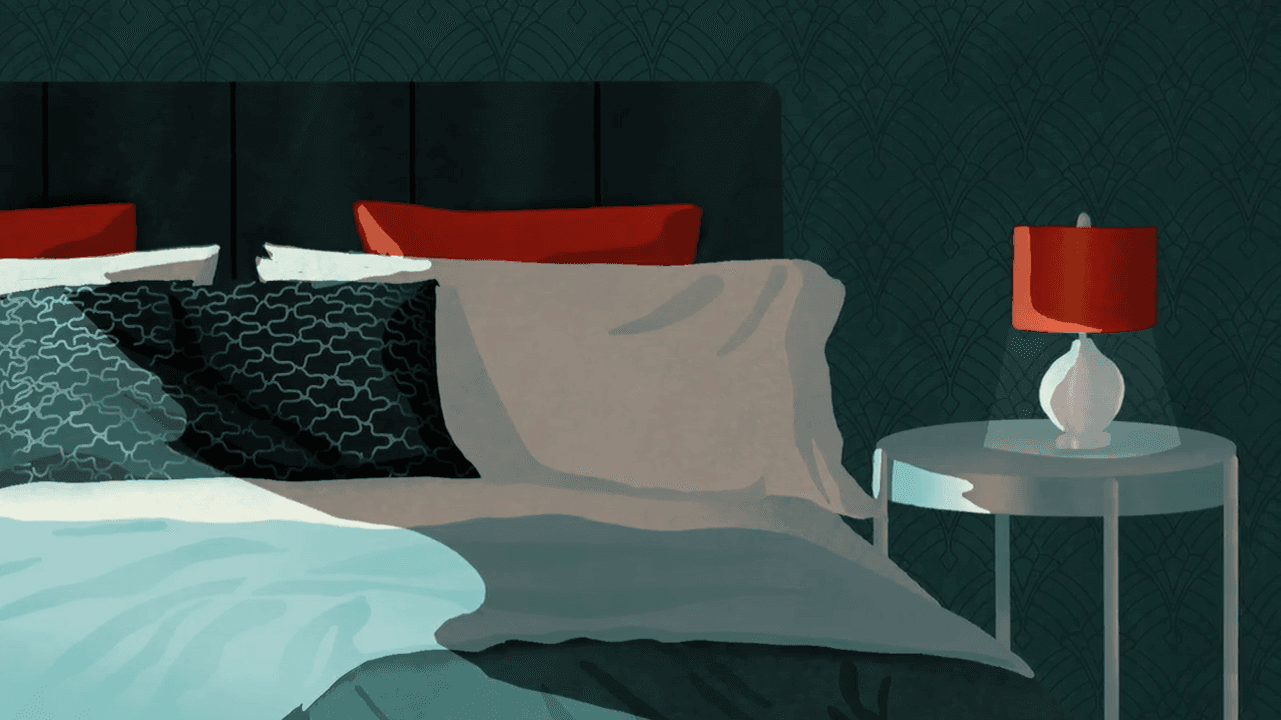
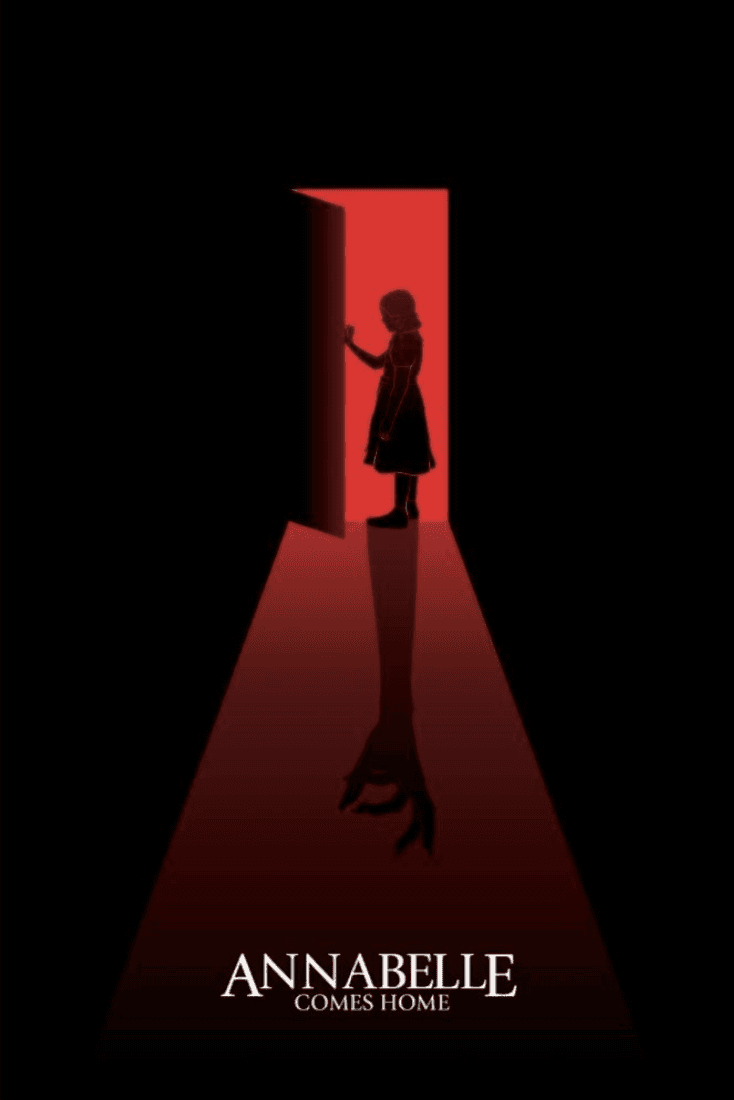
The research went beyond the plot itself and focused on the book’s twist, recurring locations and objects- Alicia’s house, the therapy room, her diary and other details that helped define the world around her. That led to the main visual idea: beginning with distant, seemingly neutral observation and gradually moving into more private, personal spaces, until it becomes clear that the viewer hasn’t been watching through a camera at all.
The references helped shape both the atmosphere and the
The research went beyond the plot itself and focused on the book’s twist, recurring locations and objects- Alicia’s house, the therapy room, her diary and other details that helped define the world around her. That led to the main visual idea: beginning with distant, seemingly neutral observation and gradually moving into more private, personal spaces, until it becomes clear that the viewer hasn’t been watching through a camera at all.
staging of the sequence, from isolated, clinical environments to specific compositions and visual details. The storyboard then became a way to plan the key frames, transitions and narrative progression, making sure each scene felt like part of one continuous path rather than a series of disconnected shots. I also avoided obvious signs of violence, choosing to suggest what happened rather than show it directly.
The references helped shape both the atmosphere and the staging of the sequence, from isolated, clinical environments to specific compositions and visual details. The storyboard then became a way to plan the key frames, transitions and narrative progression, making sure each scene felt like part of one continuous path rather than a series of disconnected shots. I also avoided obvious signs of violence, choosing to suggest what happened rather than show it directly.
RESEARCH & STORYBOARDING
The research went beyond the plot itself and focused on the book’s twist, recurring locations and objects- Alicia’s house, the therapy room, her diary and other details that helped define the world around her. That led to the main visual idea: beginning with distant, seemingly neutral observation and gradually moving into more private, personal spaces, until it becomes clear that the viewer hasn’t been watching through a camera at all.
The references helped shape both the atmosphere and the staging of the sequence, from isolated, clinical environments to specific compositions and visual details. The storyboard then became a way to plan the key frames, transitions and narrative progression, making sure each scene felt like part of one continuous path rather than a series of disconnected shots. I also avoided obvious signs of violence, choosing to suggest what happened rather than show it directly.
RESEARCH & STORYBOARDING
The research went beyond the plot itself and focused on the book’s twist, recurring locations and objects- Alicia’s house, the therapy room, her diary and other details that helped define the world around her. That led to the main visual idea: beginning with distant, seemingly neutral observation and gradually moving into more private, personal spaces, until it becomes clear that the viewer hasn’t been watching through a camera at all.
The references helped shape both the atmosphere and the staging of the sequence, from isolated, clinical environments to specific compositions and visual details. The storyboard then became a way to plan the key frames, transitions and narrative progression, making sure each scene felt like part of one continuous path rather than a series of disconnected shots. I also avoided obvious signs of violence, choosing to suggest what happened rather than show it directly.

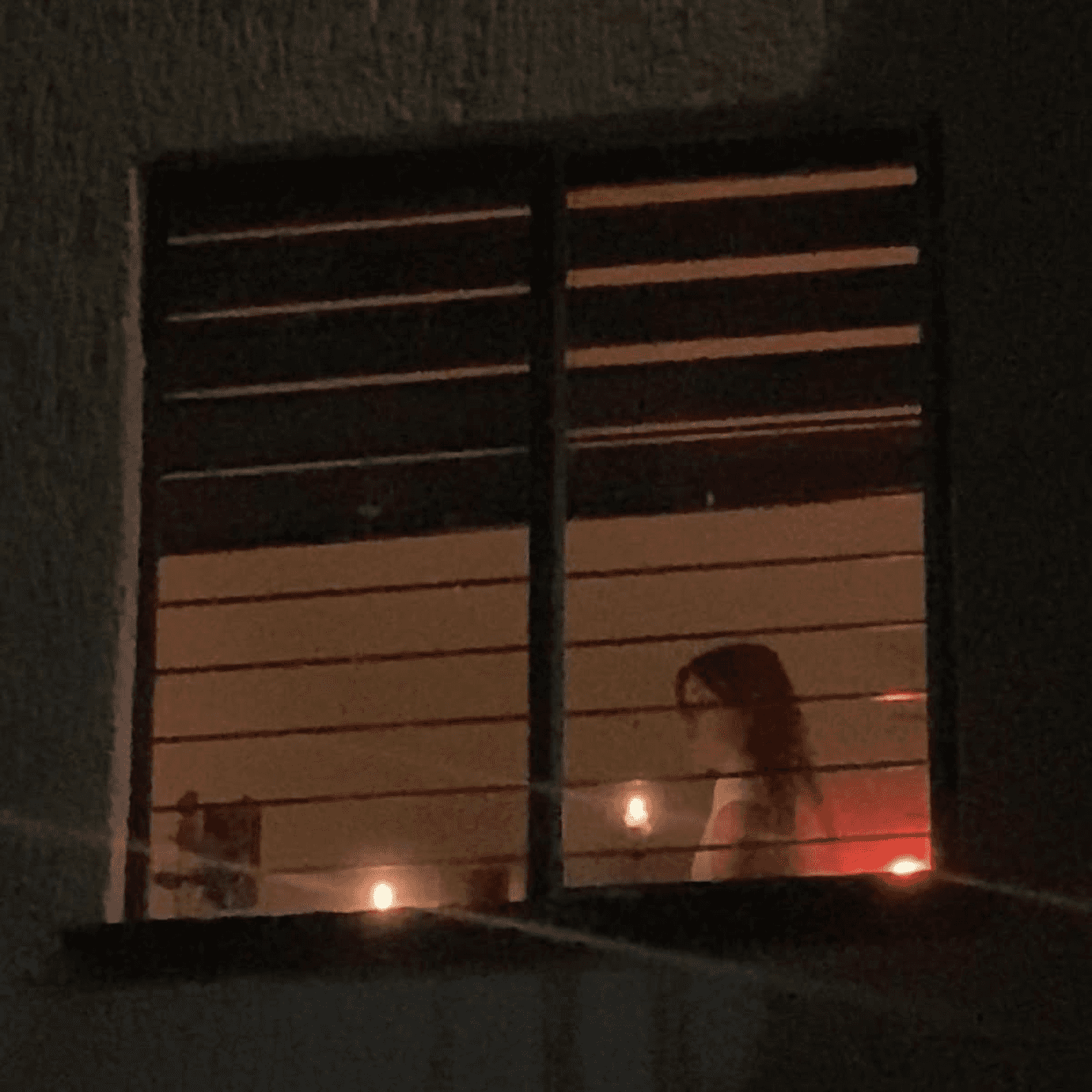

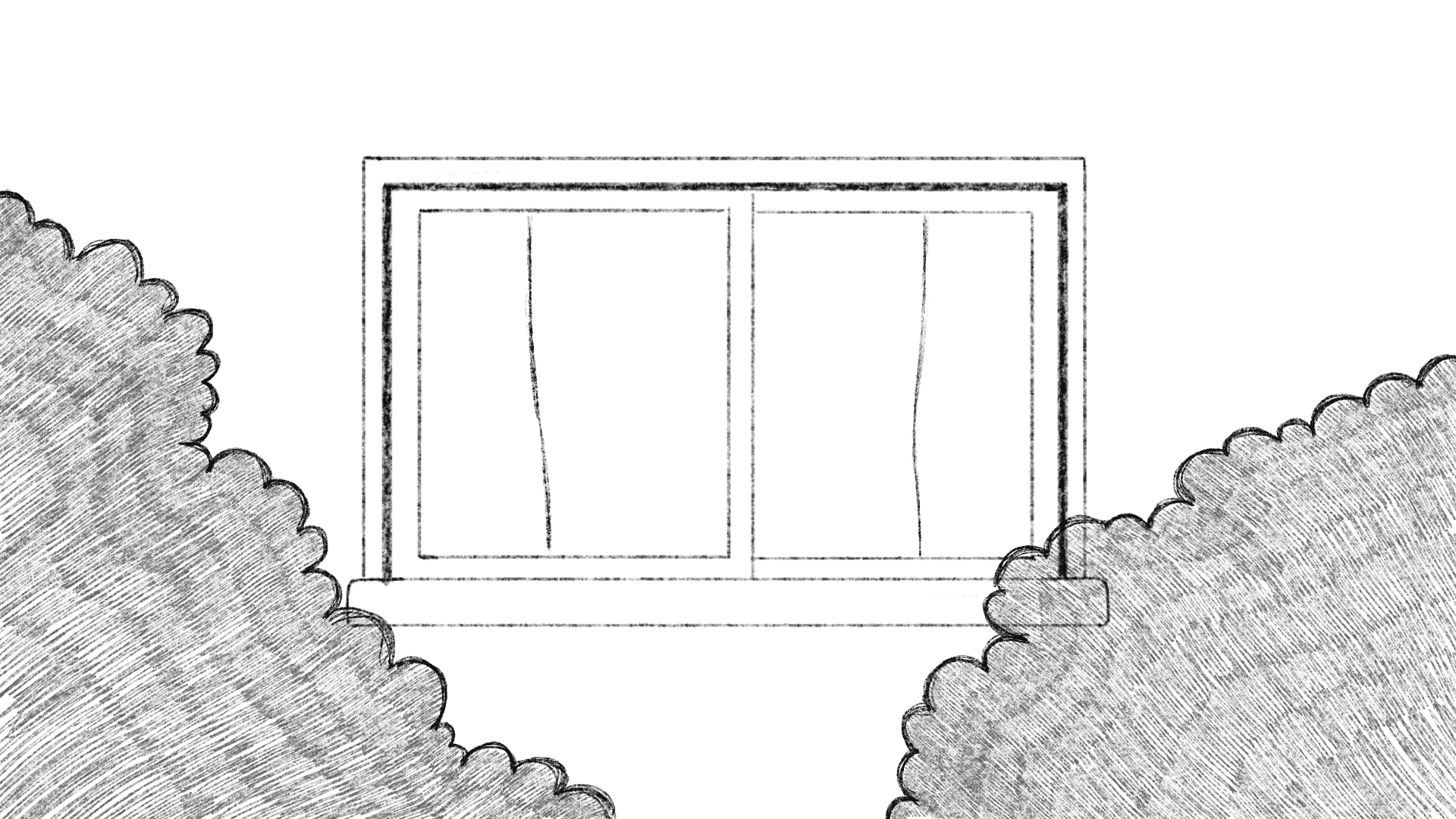
Zoom in on a window of a house.
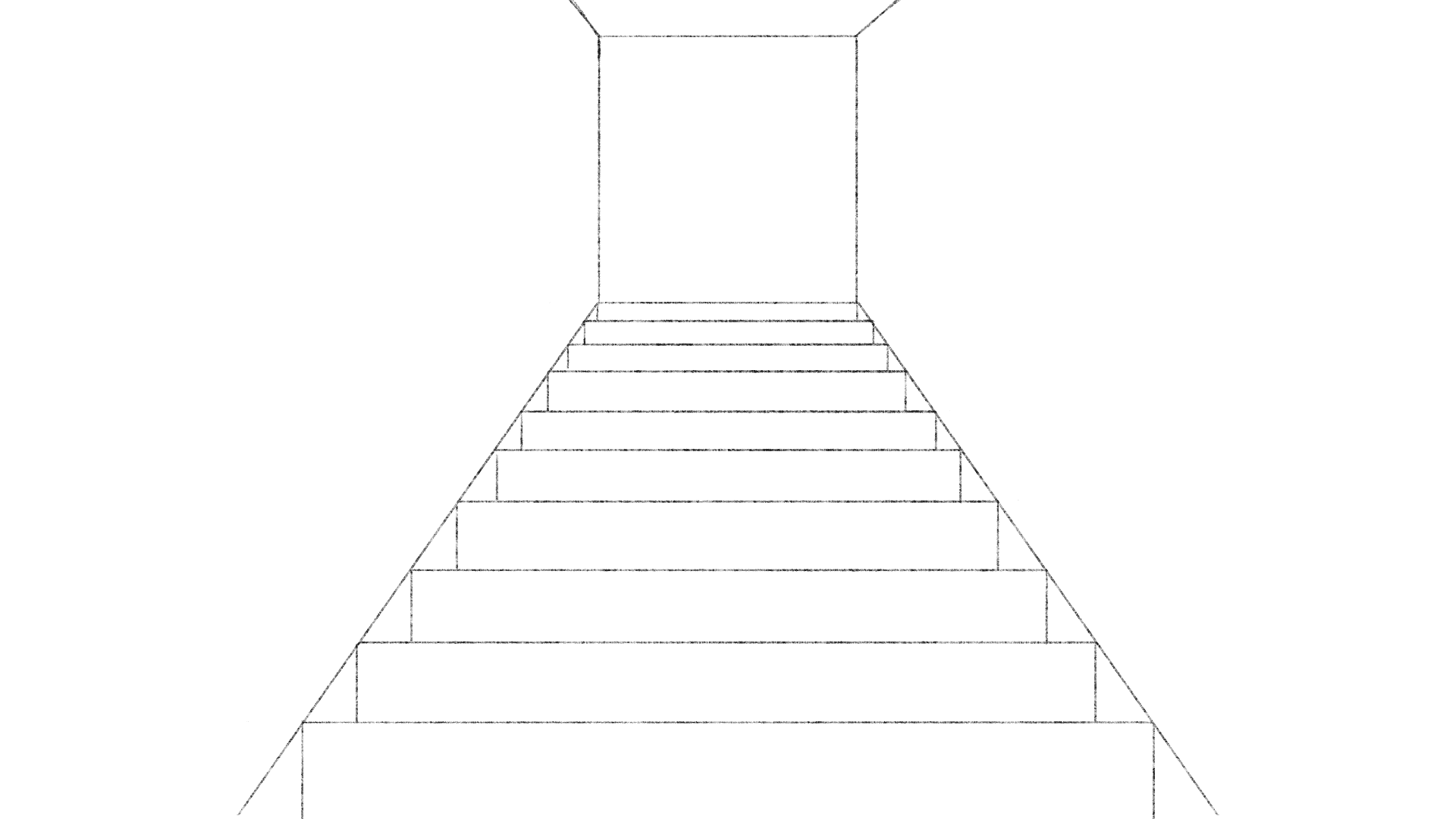
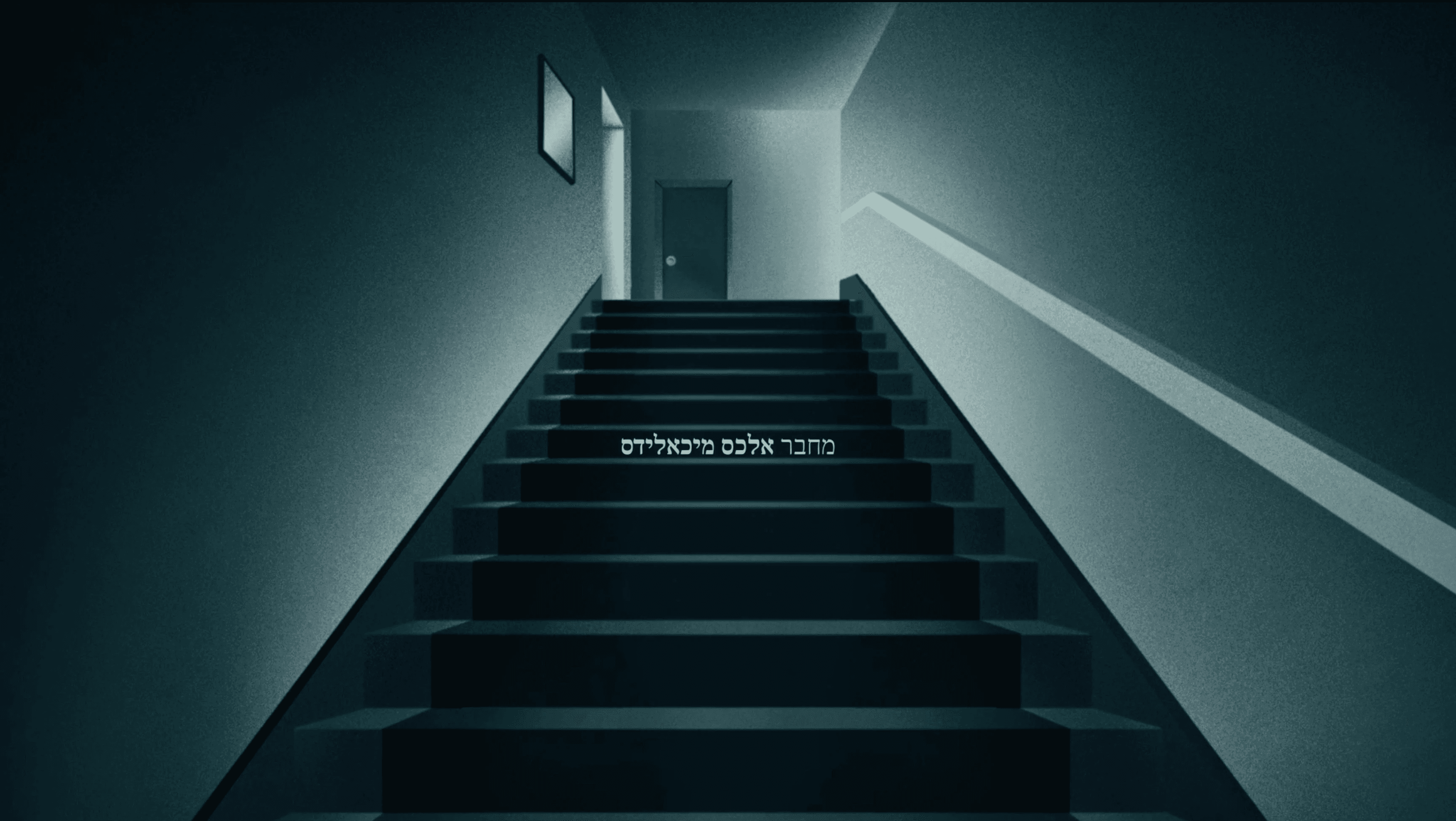
Camera going up the stairs.
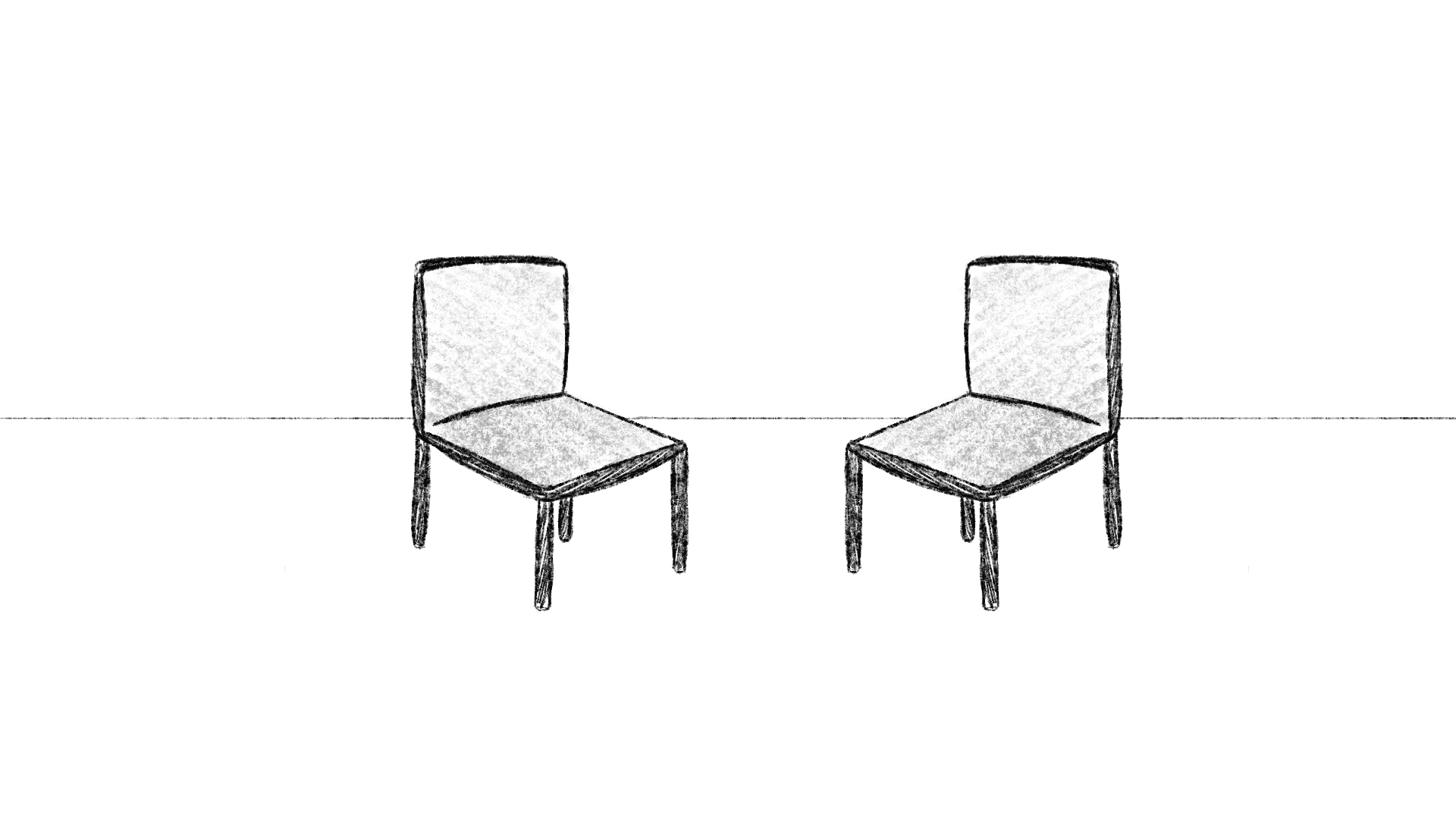
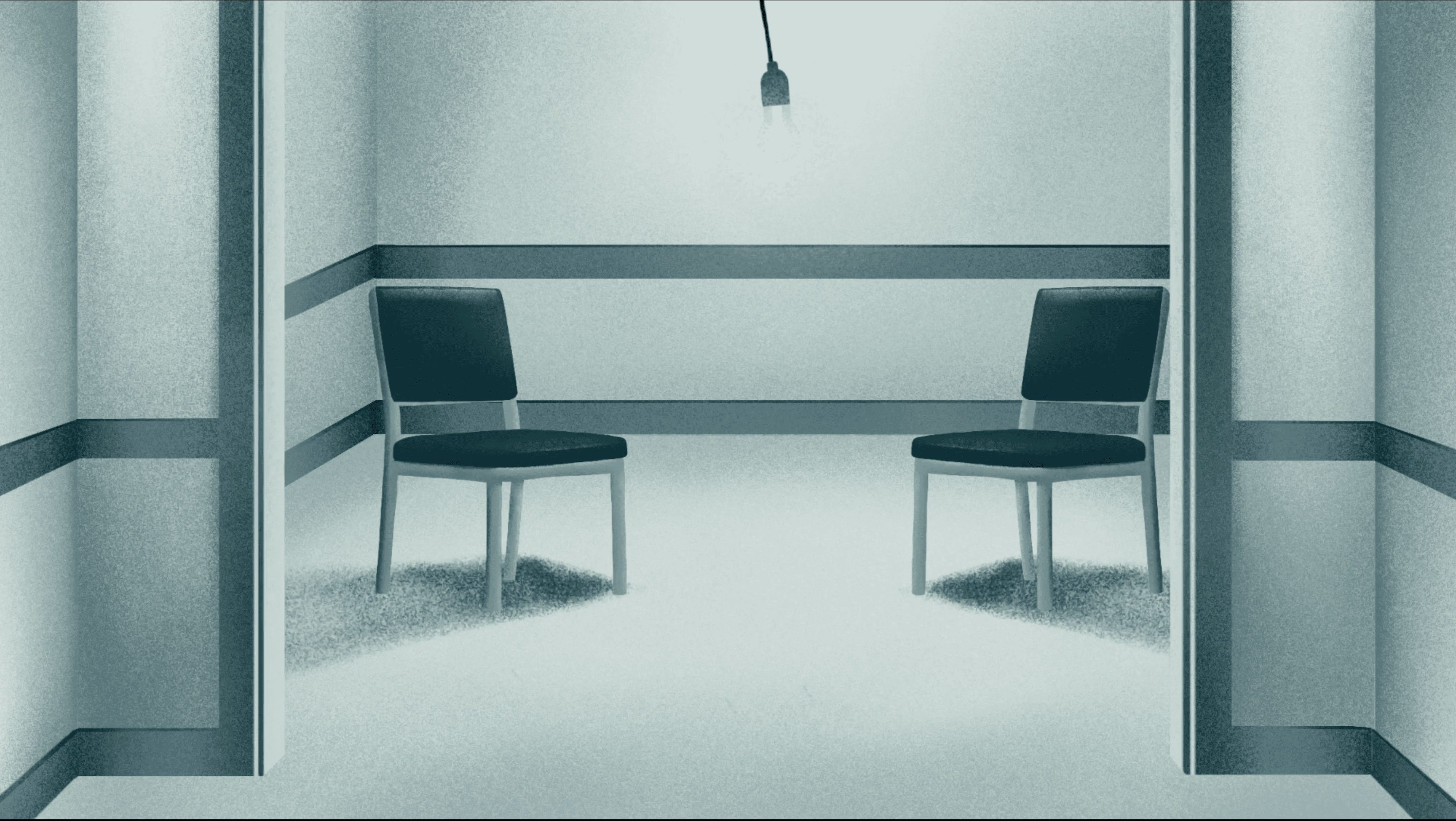
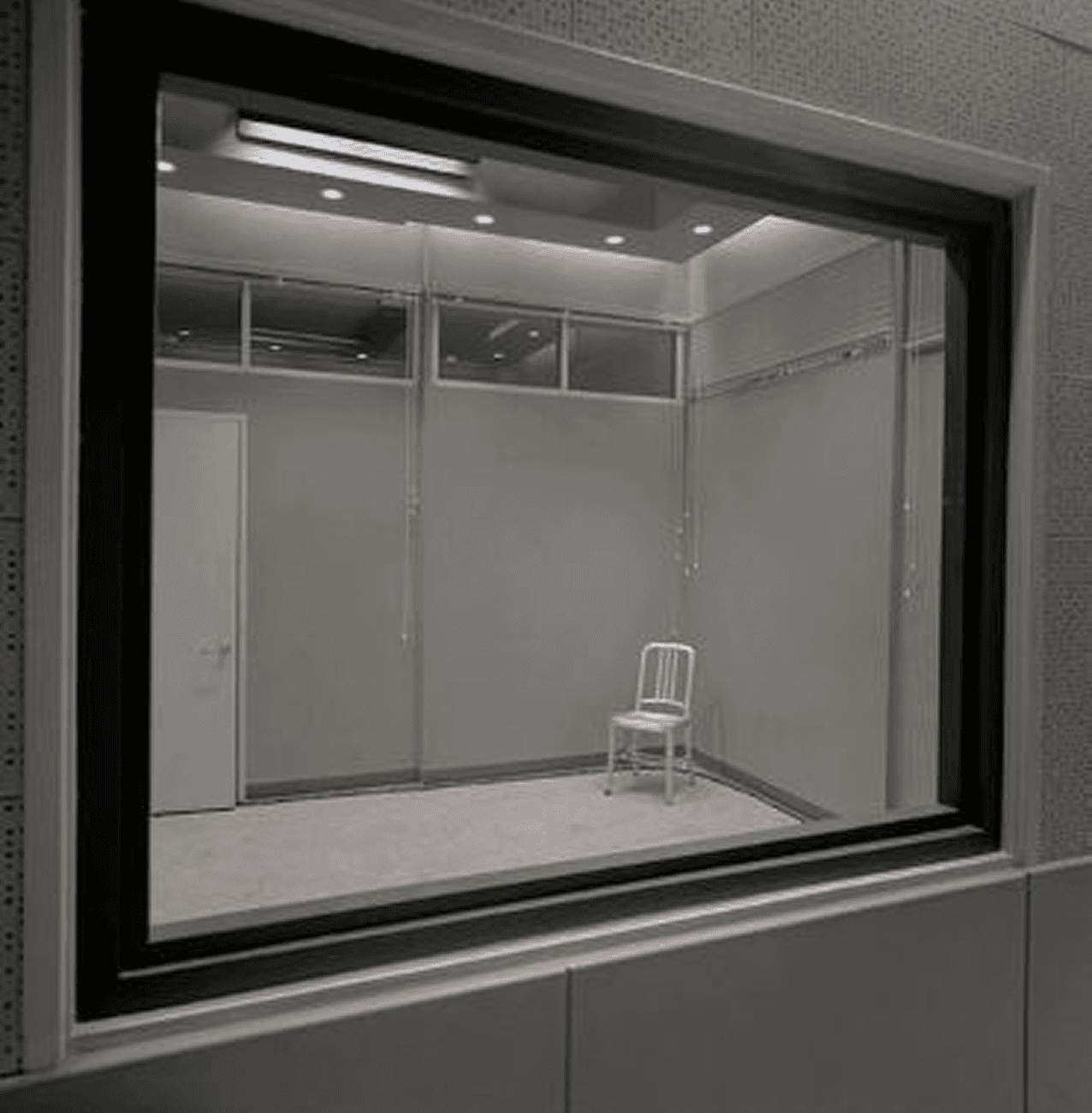
Match-cut to chairs in hospital.
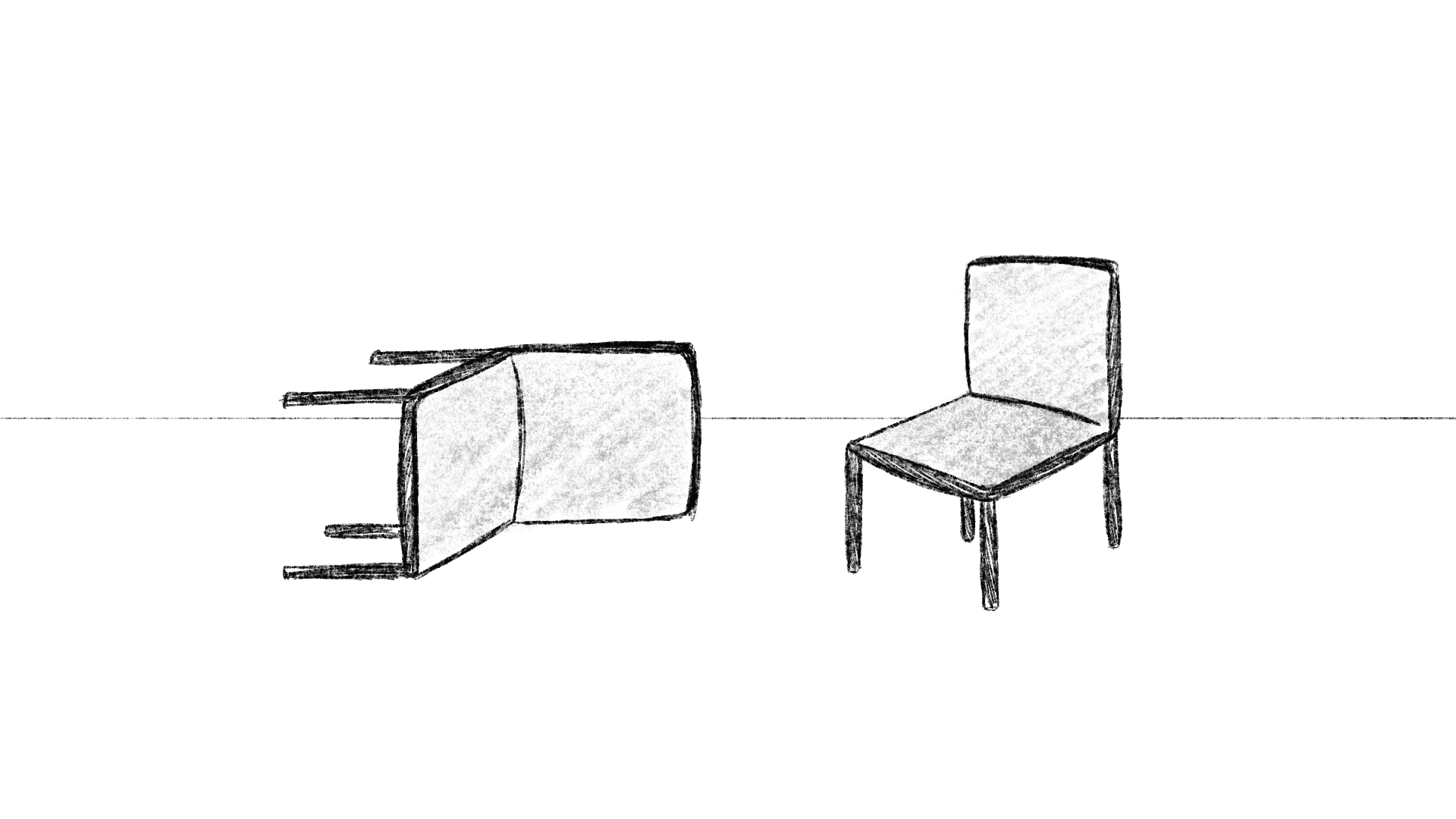
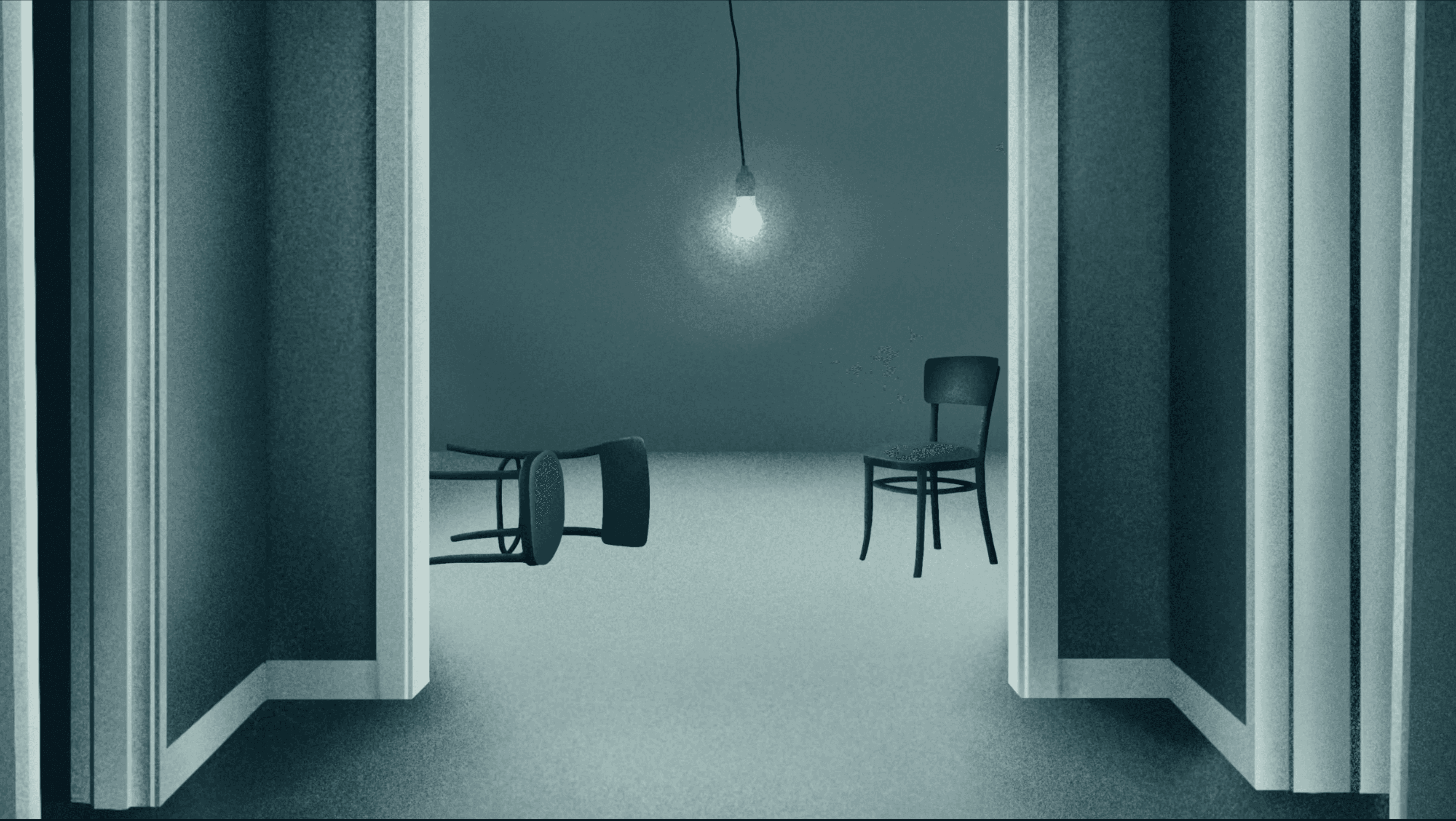
Still inside the house, signs of a fight.
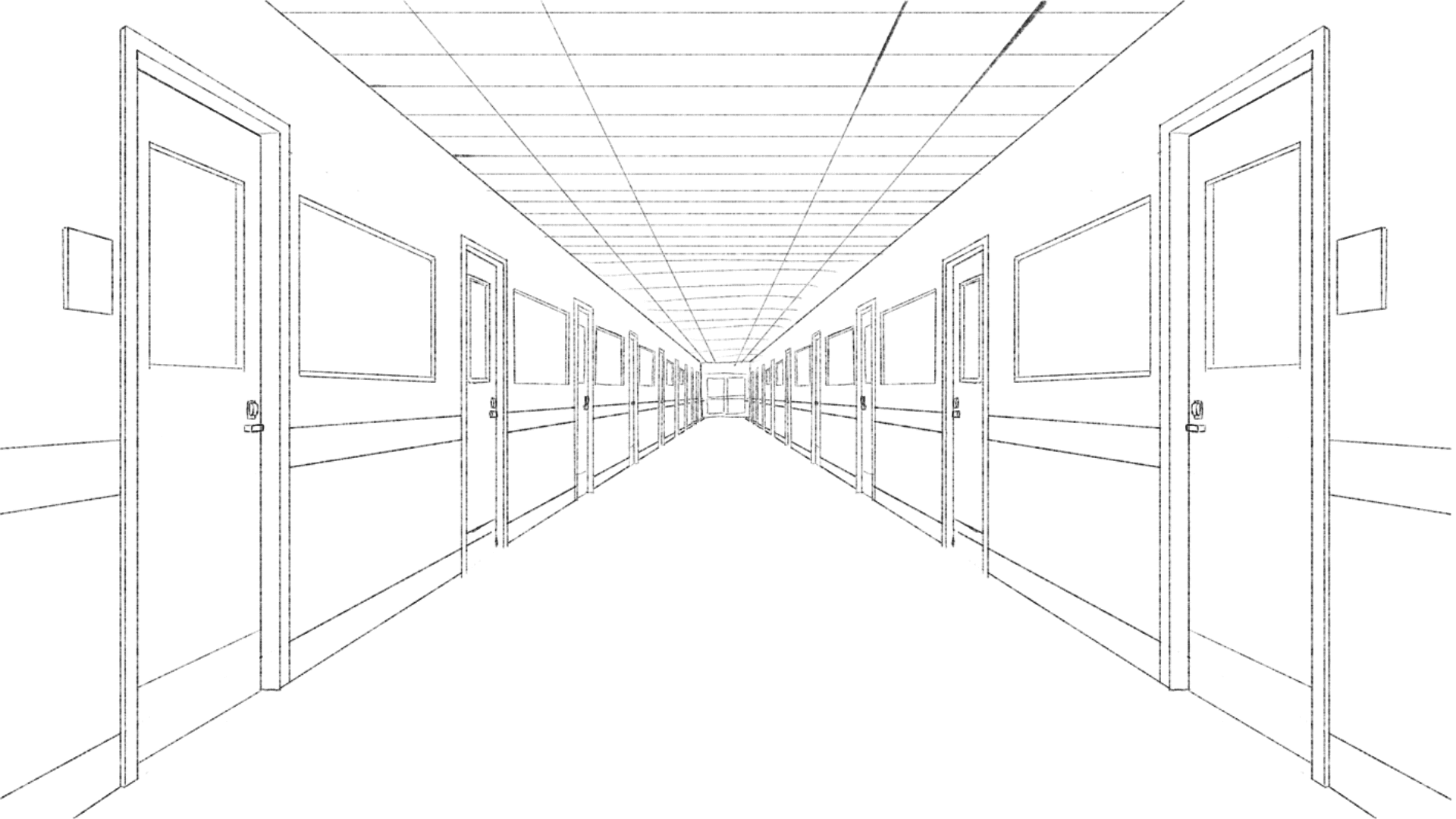
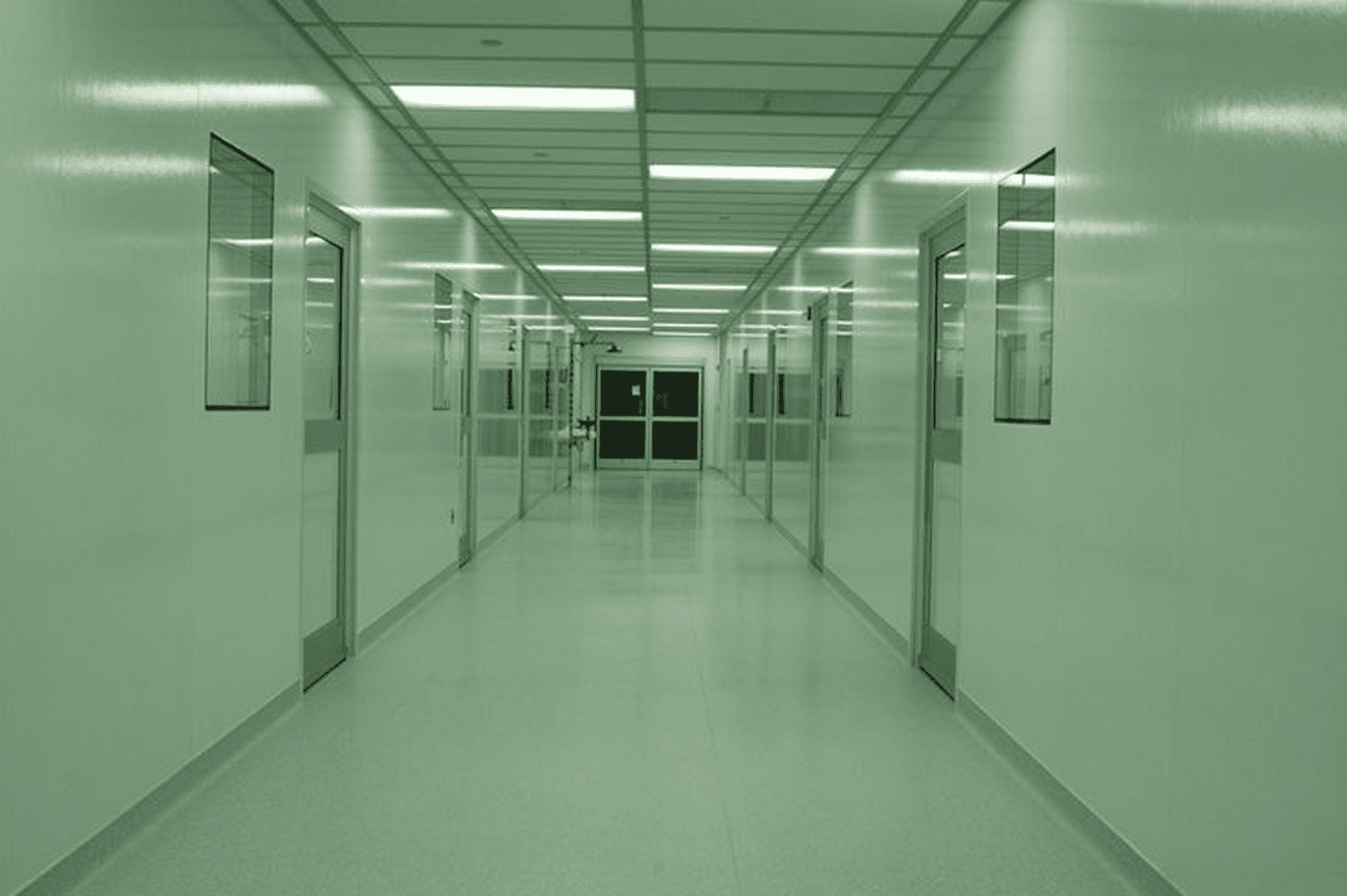
Camera trailing the hospital halls.
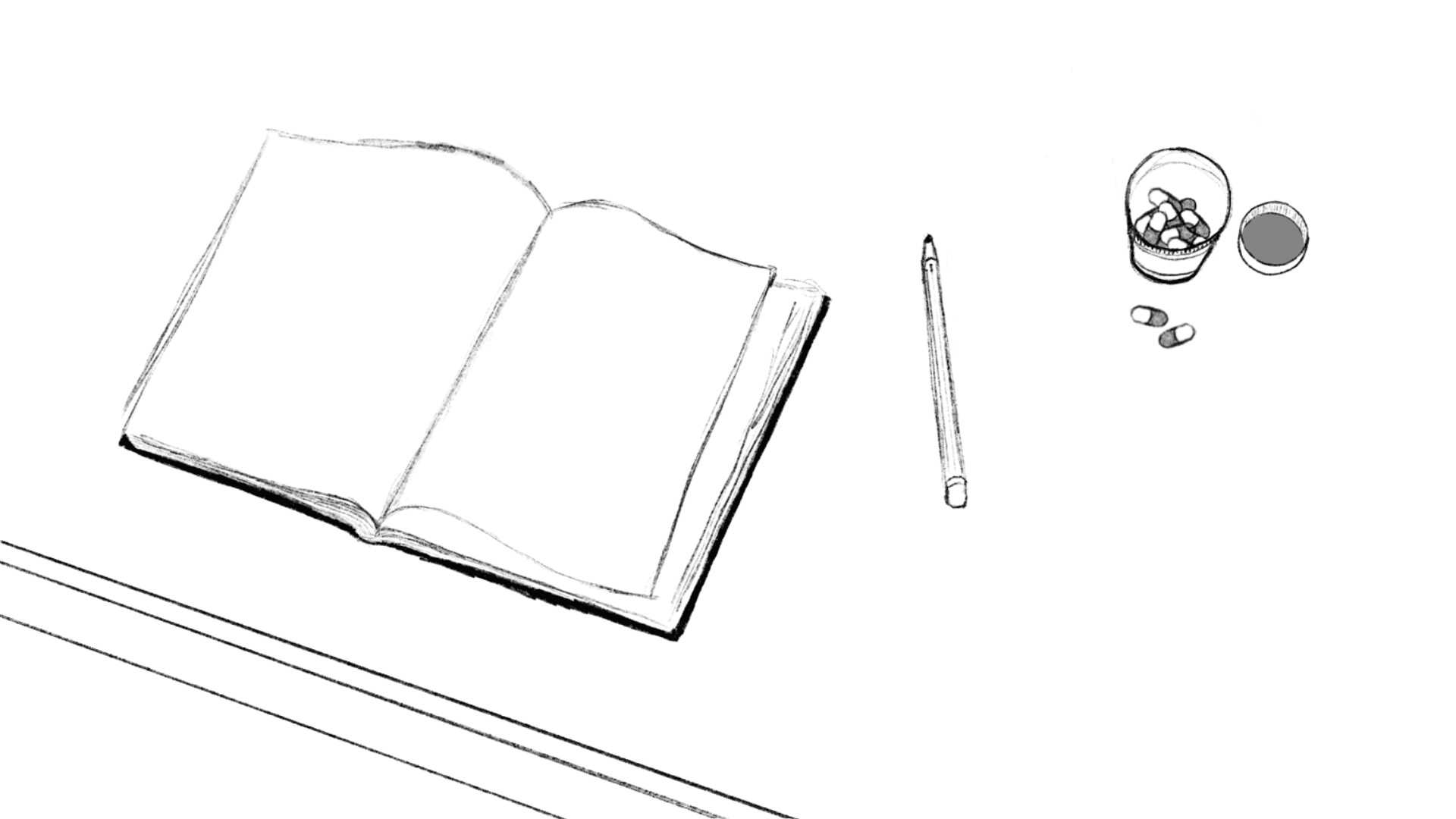
Diary page flip 1.
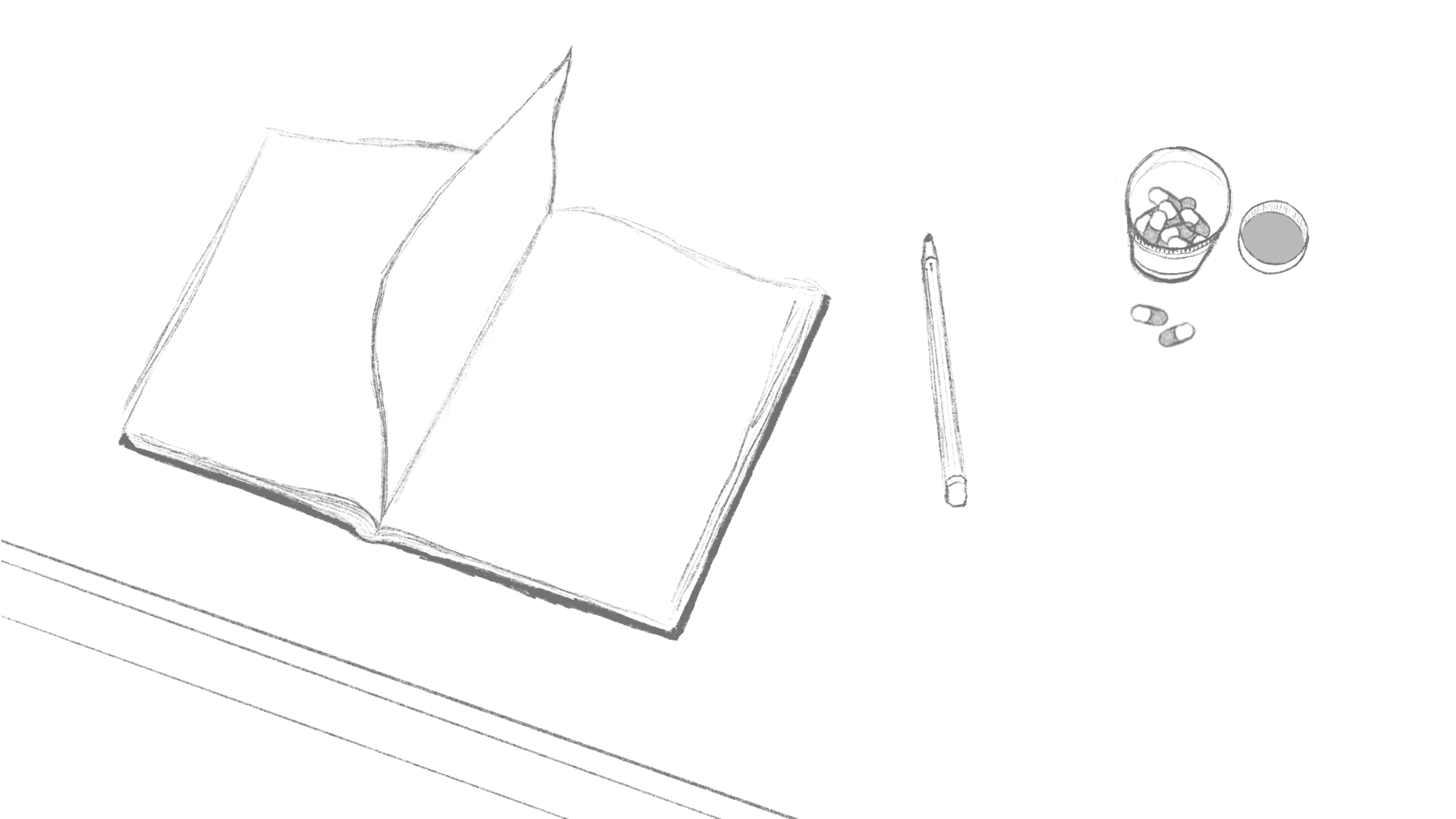
Diary page flip 2.
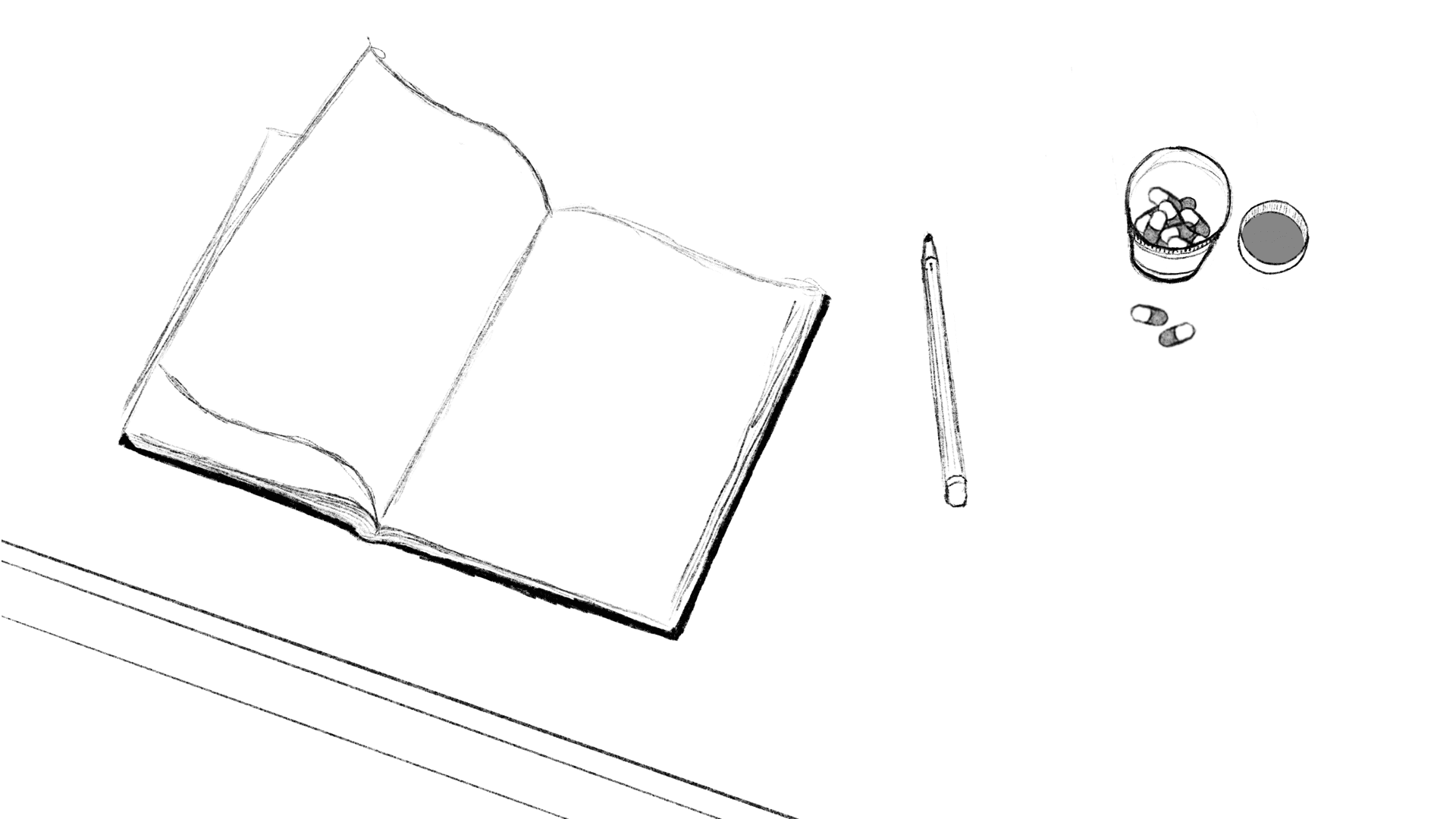
Diary page flip 3.
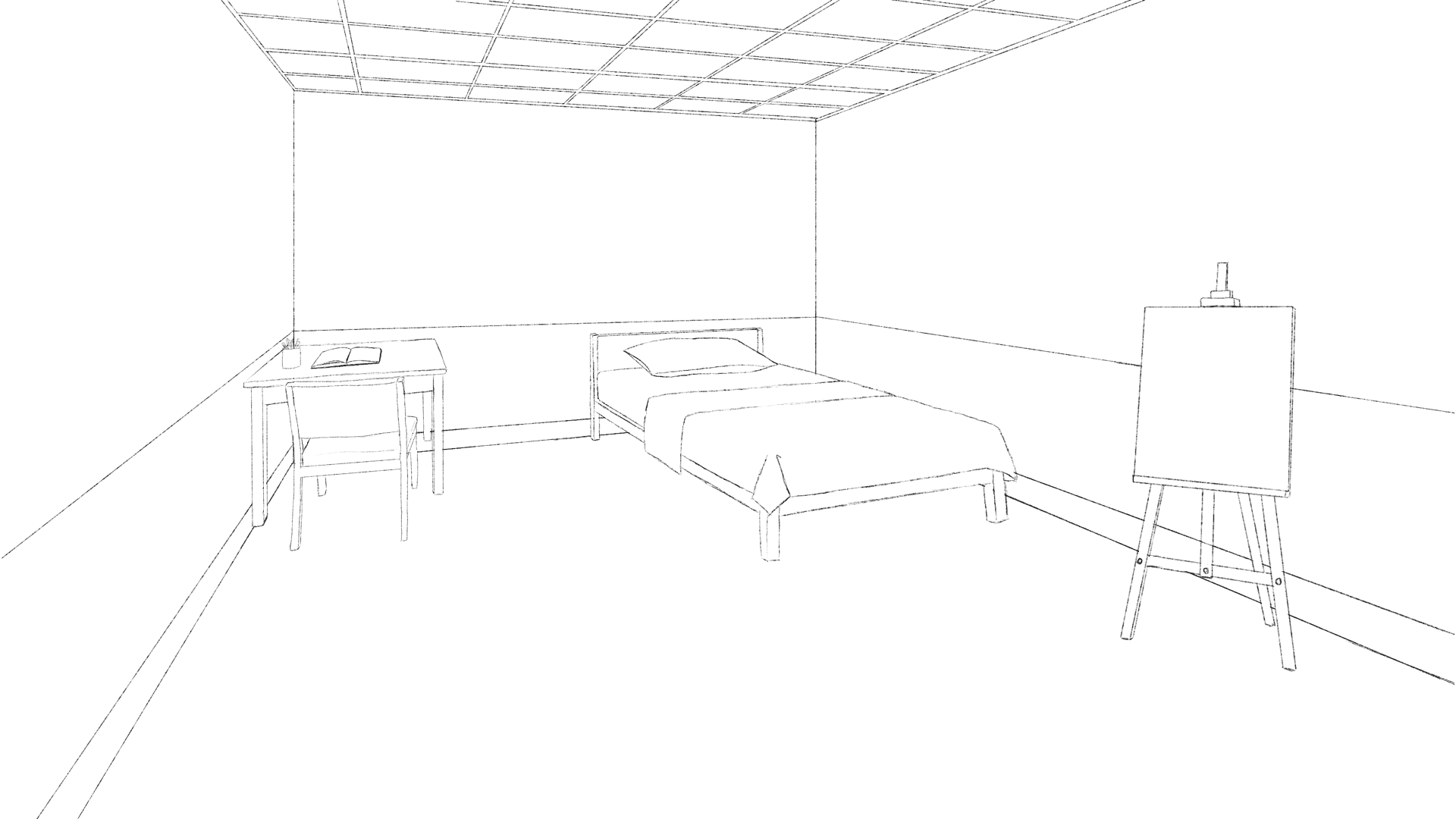
The inside of a patient's room.
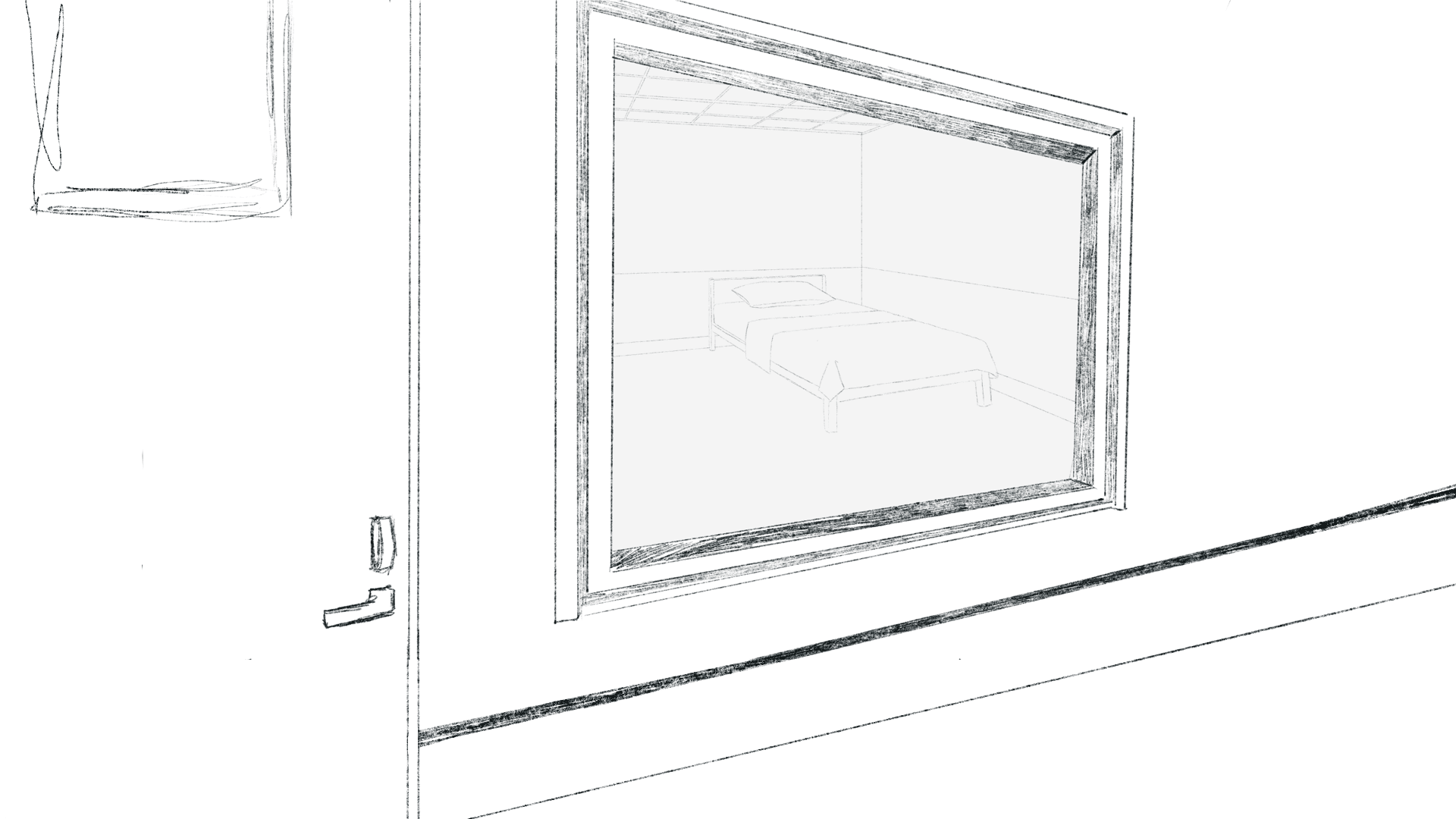
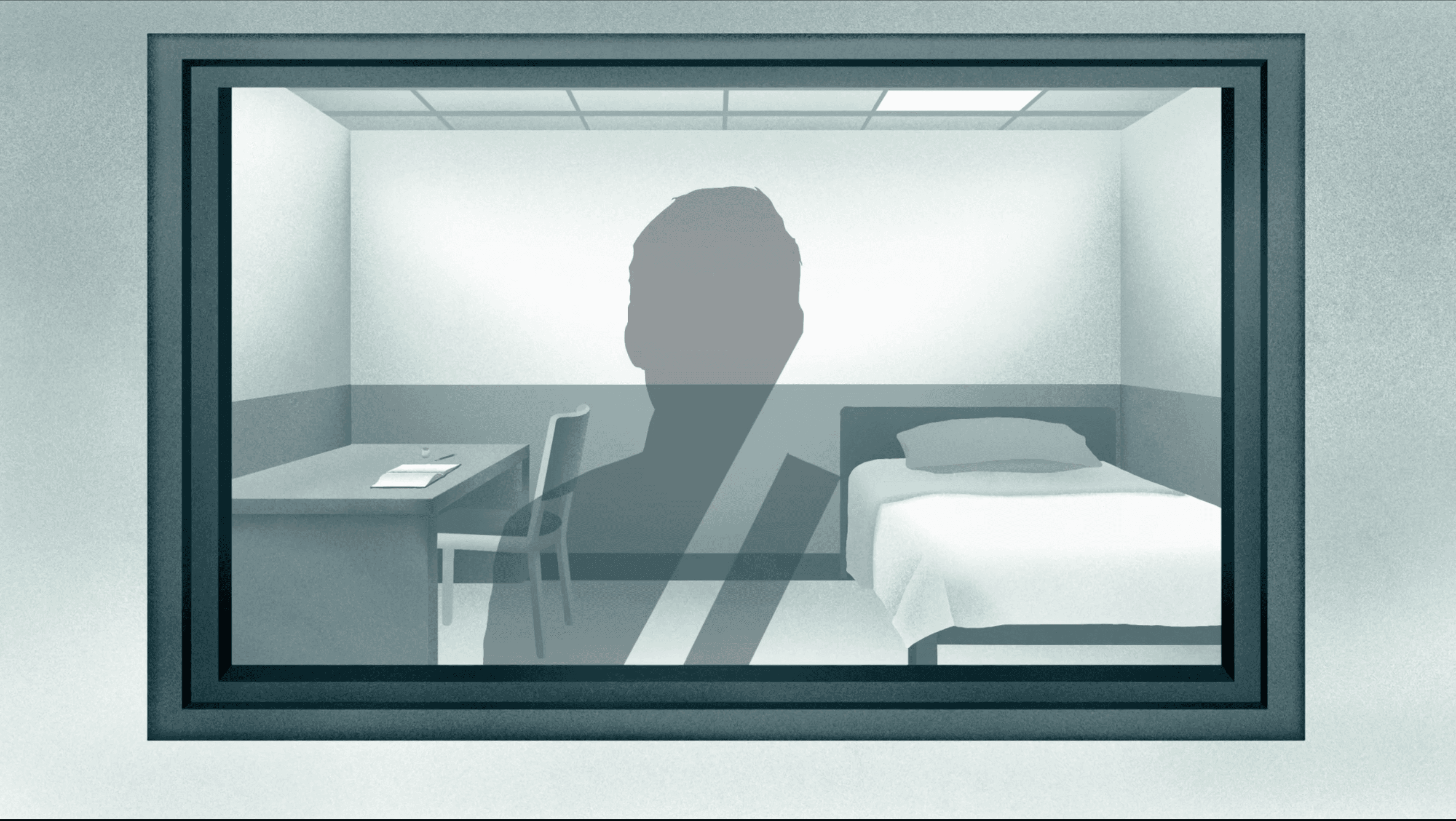
Back to an outside view of a window- inside hospital
Camera going up the stairs.
Zoom in on a window of a house.
Still inside the house, signs of a fight.
Match-cut to chairs in hospital.
Diary page flip 1.
Camera trailing the hospital halls.
Diary page flip 2.
Diary page flip 3.
Back to an outside view of a window- inside hospital
The inside of a patient's room.
Camera going up the stairs.
Zoom in on a window of a house.
Still inside the house, signs of a fight.
Match-cut to chairs in hospital.
Diary page flip 1.
Camera trailing the hospital halls.
Diary page flip 2.
Diary page flip 3.
Back to an outside view of a window- inside hospital
The inside of a patient's room.
STILL SCROLLING?
HIT ME UP WITH A CALL
© Tomer Moalem 2026. All Rights Reserved



STILL SCROLLING?
HIT ME UP WITH A CALL
© Tomer Moalem 2026. All Rights Reserved
STILL SCROLLING?
HIT ME UP WITH A CALL
© Tomer Moalem 2026. All Rights Reserved